
BLOG
Home > Blog
How Pro AV Teams Handle Last-Minute Gear Shortages (Without Burning Out Their Crew)
Jordan Goodfellow • January 6, 2026
Last-minute gear shortage?
Here’s how pro AV teams handle emergencies with subrentals,
prep, and partners—without burning out their crew.
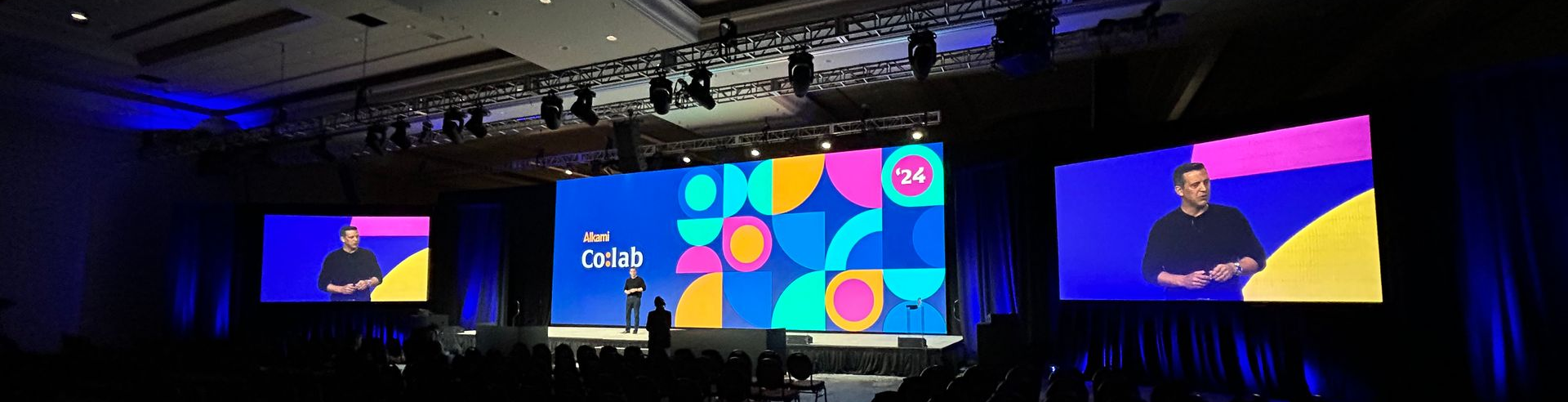
In live events and especially Corporate AV, nobody plans to be short on gear when they are selling their events.
However between late client changes, overlapping shows, and unorganized warehouses, last-minute shortages are almost guaranteed.
The difference between a nightmare show and a smooth recovery usually comes down to one
thing: the systems and partners you put in place before you get the 10 p.m. “We're missing _______” text.
At GigRent, we exist in that world—filling gaps for production companies when their plan A
gets blown up 72, 48, or even 24 hours before Load-in.
In this article, we’ll walk through how pro AV teams handle last-minute gear shortages without frying their crew or gambling
the show.
1. They Know Exactly What’s On Their Floor
The first way to avoid a late-night panic is to actually know what you have.
The best production houses we work with:
- Keep a live inventory system tied to holds and confirmed shows
- Flag “critical path” gear early—things like Barco switchers, UDX/UDM projectors, LED,
line arrays, and RF
- Run weekly “conflict checks” for big weeks so show overlaps don’t surprise them
When they call us for help, it’s rarely “we have no idea what we have.” It’s: “We’ve got
two UDMs and four G62s already committed, plus an E2—here’s the gap we can’t cover.” That
clarity lets us move fast.
2. They Decide Early What They’ll Subrent vs use out of inventory
Last-minute pain usually shows up where the strategy is fuzzy.
Smart shops are brutally honest about:
- Gear they must own (core inventory, brand standards, high-utilization equipment)
- Gear they’re comfortable subrenting (edge cases, overflow, one-off client asks,
specialty lenses, extra LED, High Brightness projectors)
By drawing that line up front, your team doesn’t waste time arguing the night before load-
in. If it’s already in the “subrent bucket,” the answer is simple: call your rental
partner.
3. They Build a Shortlist of “Call-First” Partners
When things get tight, you don’t have time to search and hope for the best.
The teams who sleep better:
- Keep two or three go-to subrental partners with nationwide reach
- Know who can turn Projectors, LED, and switching quickly
- Have direct cell numbers for warehouse and ops contacts
- Test those relationships during calmer weeks—not just in crisis mode
At GigRent we focus specifically on working with production pros, not end clients. That
means we can speak the same shorthand, match show specs, and tell you honestly what will
and won’t make it in time.
4. They Standardize “Emergency Show Files”
When a last-minute subrental happens, every hour you spend re-building paperwork is
another hour you don’t have on the floor.
Pro teams keep a simple emergency package ready to go:
- Standardized pull sheets by show type (general session, breakout, expo, etc.)
- Preferred projector/LED/switcher/audio models by tier
- Shipping and receiving instructions for each venue and warehouse on all the paperwork
- A clear point-of-contact list for gear issues
Then when a show doubles in size and you suddenly need three more rooms, it’s plug-and-
play: duplicate the right show file, send it to your subrental partner, and let them
mirror it from their inventory. This makes scaling a show much simpler.
5. They Protect Their Crew From “Hero Mode”
The hidden cost of last-minute shortages isn’t just freight—it’s burnout.
The best leaders we see:
- Refuse to solve every problem by working people into the ground
- Use subrentals to reduce frantic prep and focus their techs on real show-critical work
- Make a simple rule in their culture: “We don’t gamble with untested gear.”
If you’re building shows overnight or last minute, you need partners who send tested, labeled, show-
ready gear so your team isn’t solving basic issues at 2 a.m.
6. They Run a Post-Show Debrief—Every Time
Every crisis is a lesson if you’re willing to look at it.
After the dust settles, strong teams ask:
- Where did the shortage start—sales promise, design change, scheduling, inventory, or
freight?
- Did we call our subrental partner early enough?
- What should move from “we try to own this” to “we always subrent this”?
- What trigger would have caught this seven days sooner?
Those debriefs are short and sometimes uncomfortable—but they’re how you build a system
where “last-minute” feels more like a controlled fire drill and less like chaos.
Wrapping It Up
You can’t stop last-minute gear problems in live events. Client needs will change, shows
will grow, and the calendar will stack up.
What you can control is how prepared you are:
- Know your inventory
- Decide what you’ll subrent
- Build real relationships with rental partners
- Protect your crew
- Learn from every close call
If you want a subrental partner who lives in that world every day, that’s exactly why we
built GigRent. When your plan A breaks, we help you keep the show moving—without burning
out your team.
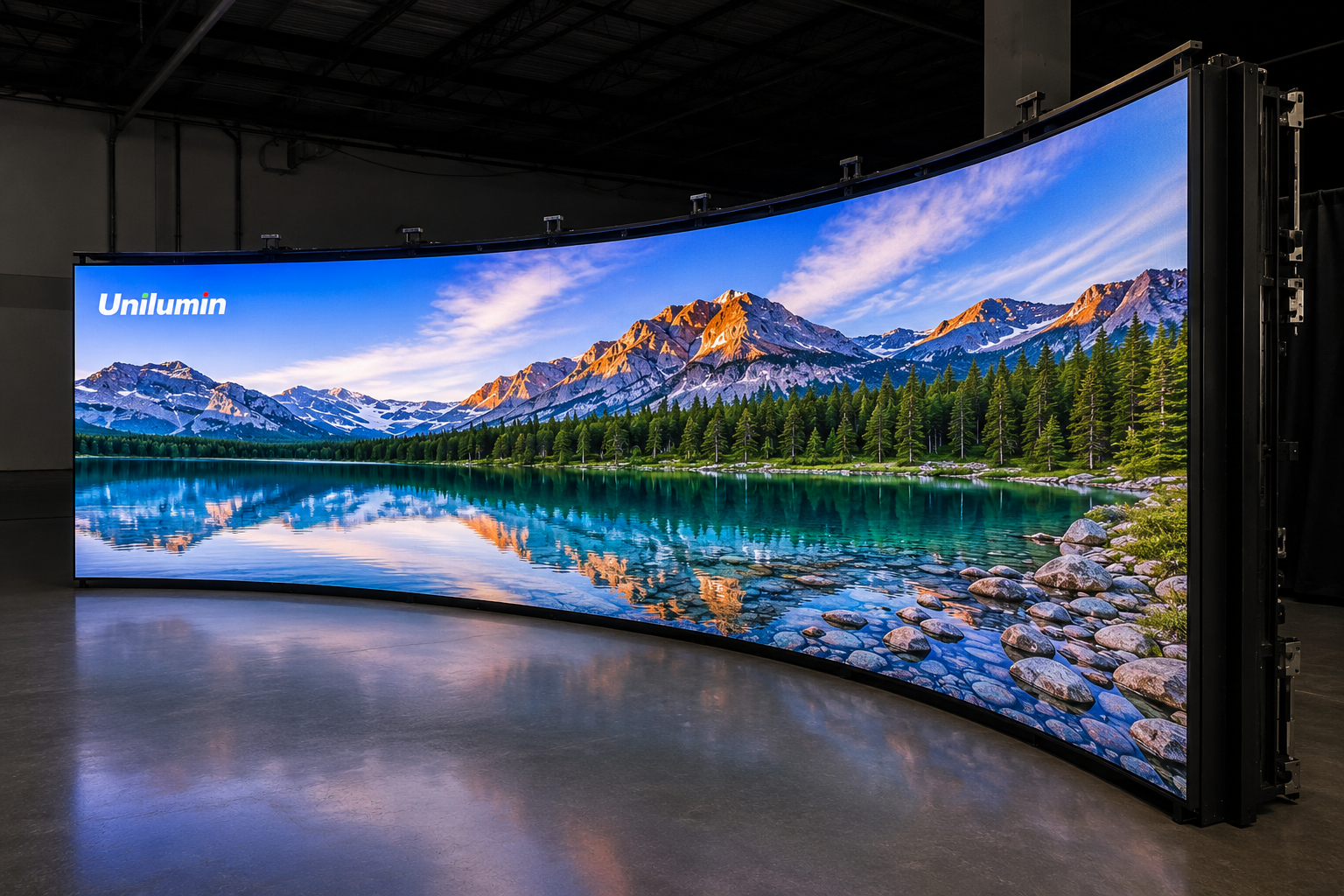
For production companies, every opportunity matters. But too often, promising projects are lost because of one simple challenge—access to LED inventory
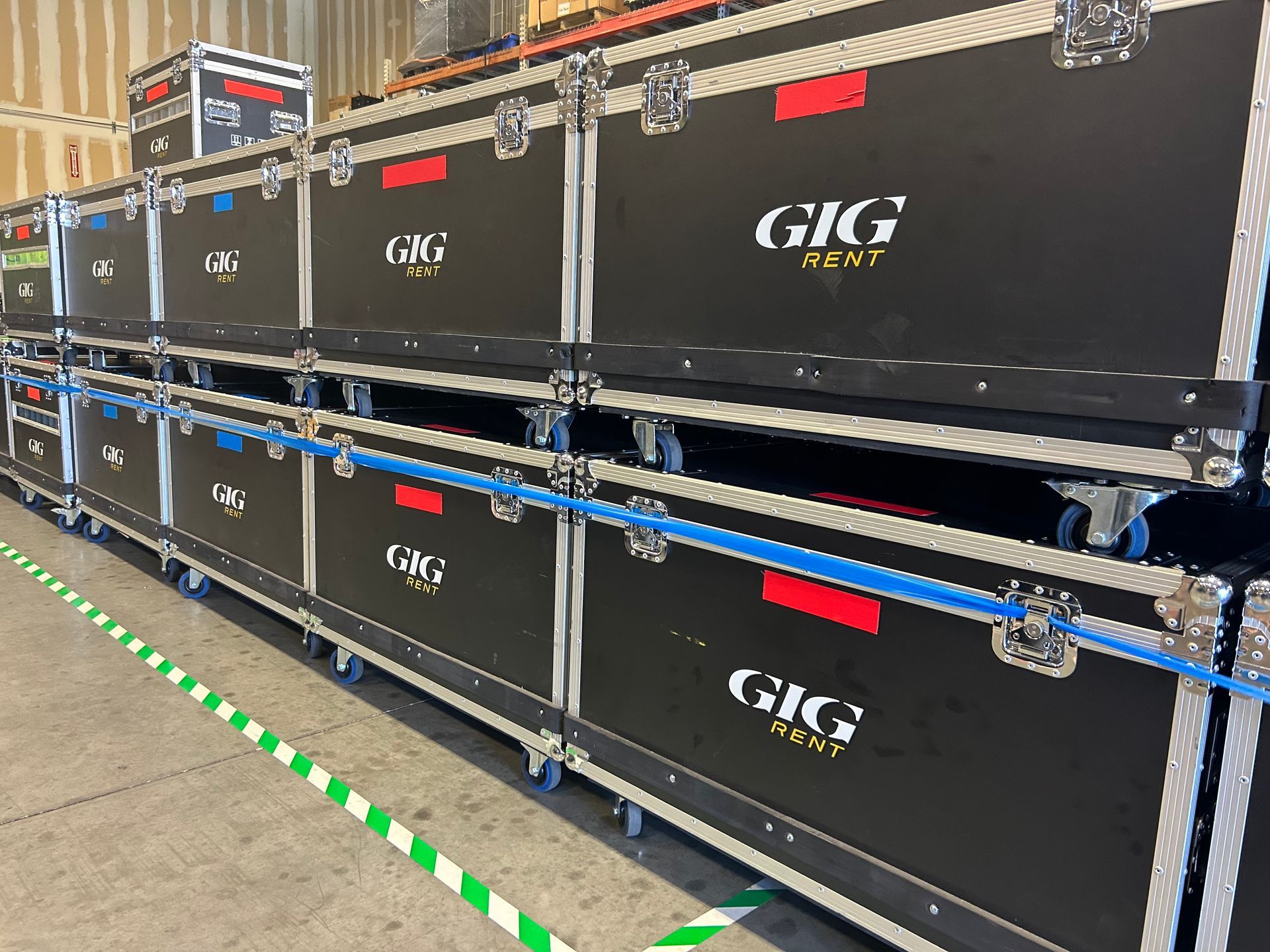
Make the wrong choice, and you risk tying up capital, limiting flexibility, or missing revenue opportunities. Make the right one, and you create a scalable, cost-efficient foundation for long-term growth. This guide breaks down the key factors that determine when renting makes sense—and when ownership is the smarter move. When Renting AV Equipment Is the Better Choice 1. Your needs change frequently If your projects vary in size or technical requirements, renting keeps you flexible and open-minded to all solutions. Owning gear can cause a few issues to surface. Bias towards certain equipment, only selling what you own, and thinking that other gear is inferior. This can lead to a few downsides. · Under-utilized inventory that doesn’t move as often. · Storage and maintenance costs that come with owning gear. · Obsolete technology that you are trying to squeak the last bit of life from. · Trying to shoehorn a show into a piece of gear that is not · High transport costs Renting allows you to scale up or down depending on the event without long-term commitment to any one type or brand of equipment. 2. Technology is constantly evolving and doing so quickly In areas like Computers, LED, media servers, and video processing, equipment generations change fast. Buying too early can mean: · Rapid depreciation · Compatibility limitations · Pressure to reinvest sooner than expected Buying too late can mean: · Equipment ages out before it’s paid off. · May not function well or be compatible with the newest gear · Less customers are interested in the Equipment. Renting shifts that risk away from you and ensures access to current, show-ready technology. 3. You need equipment only occasionally If gear is used only a few times per year, ownership rarely makes financial sense. Using an Item less than 6 - 8x per year can cost you big. Consider the following when you only use items for part of the year: · Purchase cost · Maintenance and repairs · Insurance · Storage · Labor for testing and prep If utilization is low, rental is almost always more cost-effective. 4. Cash flow matters more than ownership Growing companies often benefit from preserving capital for a multitude of business needs and projects including the following: · Hiring · Marketing · Expansion · New services Renting converts a large upfront expense into a predictable project cost, improving cash flow and reducing financial risk. When Buying AV Equipment Makes More Sense 1. The gear is used constantly High-utilization items are the strongest candidates for ownership and decrease your dependency on others. Examples often include: · Cables and hard infrastructure · Uncommon rigging or staging elements · Frequently deployed audio or LED and projection systems · Monitors and other items with a low entry cost. If equipment is booked week after week, purchasing can quickly outperform rental costs. 2. You need control and immediate availability Ownership provides benefits when the gear is always on hand, this includes: · Guaranteed access · Faster prep and QC · Consistent equipment and kits across all shows For production and AV companies running simultaneous or last-minute events, this reliability can be critical. 3. The equipment supports a core service line If a specific system defines your primary offering or competitive advantage, owning it may be a strategic advantage rather than purely a financial benefit. Ownership can: · Strengthen your brand positioning · Improve event and company margins over time · Enable faster and more immediate deployment This is especially true for companies specializing in recurring event formats or temporary installations. 4. Long-term ROI is clear A simple rule of thumb: If the total rental cost over 12–24 months exceeds the purchase and Maintenance price, ownership deserves serious consideration. At that point, buying may: · Reduce long-term expenses · Increase profitability per show · Create resale or B-stock value later T he Hybrid Strategy: What Most Successful AV Companies Do In practice, the smartest approach is rarely all rent or all buy. High-performing AV companies typically use a hybrid model: Own: · High-use consistent and stable technology that is always in use. · Core infrastructure parts and pieces – i.e. Power, consoles, etc. · Revenue creating systems. These are systems that make your company unique. Rent: · Rapidly evolving technology · Specialty or large-format equipment i.e Displays, LED, high dollar projectors. · Short-term or one-off needs that are specific to one or two events. This balance delivers flexibility, financial efficiency, and scalability—without overextending capital. Key Questions to Ask Before Deciding Before your next equipment decision, ask: · How often will this be used each month? · How quickly will the technology change? · Does ownership improve our margins or just add overhead? · Could renting keep us more flexible for future opportunities? · What is the true total cost of ownership over time? Clear answers to these questions usually reveal the right path. Final Thoughts Choosing between renting and buying AV equipment isn’t just a purchasing decision—it’s a strategy decision that affects cash flow, scalability, and long-term growth. · Renting delivers flexibility, access to new technology, lower upfront risk, but possibly lower margins. · Buying creates control, long-term ROI, and stronger margins for high-use gear. The most successful teams evaluate each piece of equipment through the lens of utilization, technology lifecycle, and financial impact—then build a balanced approach that supports both today’s events and tomorrow’s expansion.

Plug and pray isn’t a strategy. Here’s how GigRent tests, labels, and preps AV gear so
it’s truly show-ready before it ever hits show site.
Get us feedback and leave a review! Find GigReady at GigReady@GigRent.com You can reach Ethan on Facebook @ethan.merfy In December I was able to sit down with world renowned Stage manager Ethan Merfy and talk about what it takes to make it in the big...
The post Episode 21 – Touring Stage Manager with Ethan Merfy appeared first on GigRent.
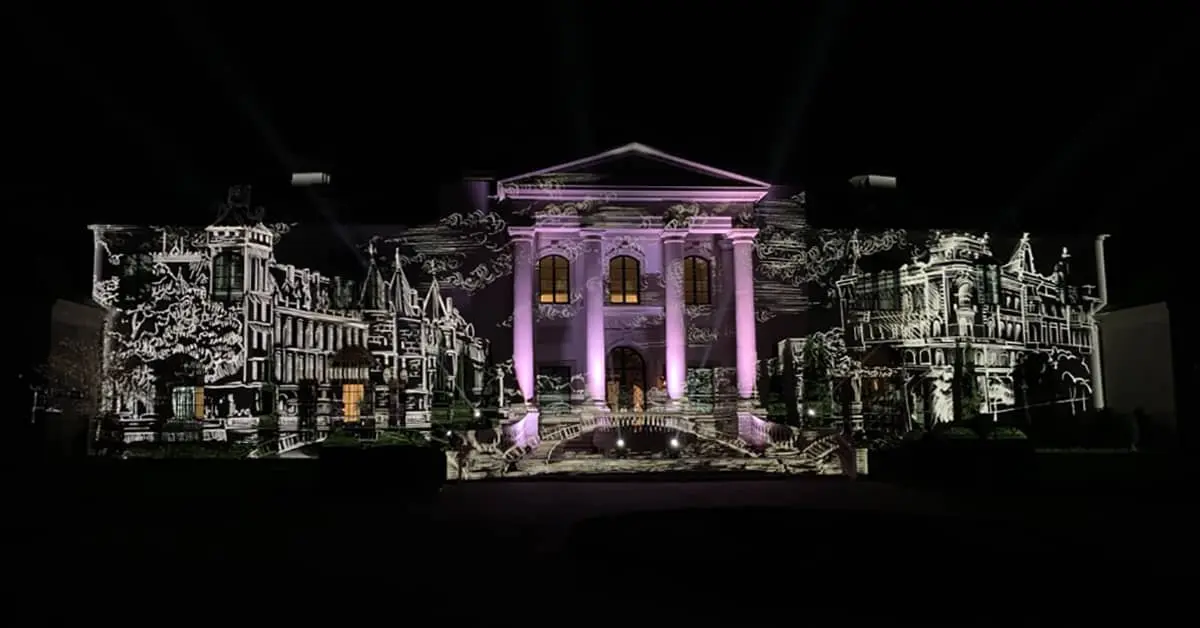
Projection mapping is considerably more cost effective than traditional alternatives. You can use an existing building or object as a surface for projection, rather than revamping a building at the structural level or constructing a new artifice. Mapping saves time, money, and energy by concentrating...
The post Projection mapping is cheap appeared first on GigRent.

Our world has become increasingly oriented around technology, because too often technological advancement is prized over artistic perspective. As a society, we’ve obsessed over camera quality and features while at times sacrificing quality of content. In general, the average consumer is duped into thinking that...
The post Why 4K isn’t enough: Content matters appeared first on GigRent.
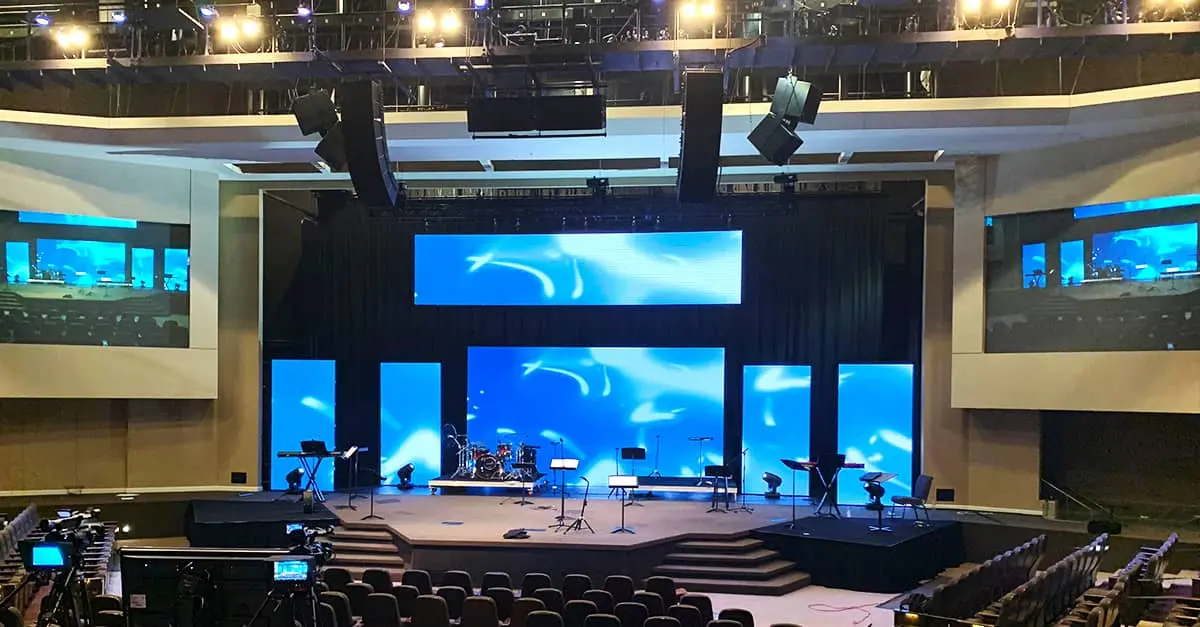
Since the world is never the same place twice, we are always living in somewhat unprecedented times. However, this year especially has presented challenges that have strained relationships of all types, including those within the church. It is crucial for church leaders to prioritize meaningful...
The post Integration appeared first on GigRent.
We are beginning to see a fundamental shift in the way that people are holding events around the world. With that in mind, we must adjust our thinking and push ourselves into the new age. Life doesn’t wait for our approval to move along; we...
The post Be a forward thinker appeared first on GigRent.
The post Episode 20 – Video direction and touring appeared first on GigRent.
The post Episode 19 – GigReady and back of house! appeared first on GigRent.